
Understanding Foundation Types and What Works Best in Oklahoma Construction
When building a home in Oklahoma, one of the most critical decisions you will make is choosing the right foundation. The foundation supports everything above it, and the wrong choice can lead to costly repairs, structural instability, and long-term headaches. Oklahoma’s unique soil composition, climate, and weather patterns make foundation selection especially important. Understanding foundation types for homes is not just a technical exercise; it is a practical necessity for anyone building or buying property in the Sooner State.
Oklahoma sits on a diverse geological landscape. The state’s soil is heavily influenced by expansive clay, which swells when wet and shrinks during dry periods. This constant movement puts enormous stress on foundations. Add in the state’s dramatic weather swings, from scorching summers to freezing winters, along with the ever-present threat of tornadoes, and it becomes clear why foundation choice matters more here than in many other parts of the country.
Slab Foundation in Oklahoma: A Popular but Nuanced Choice
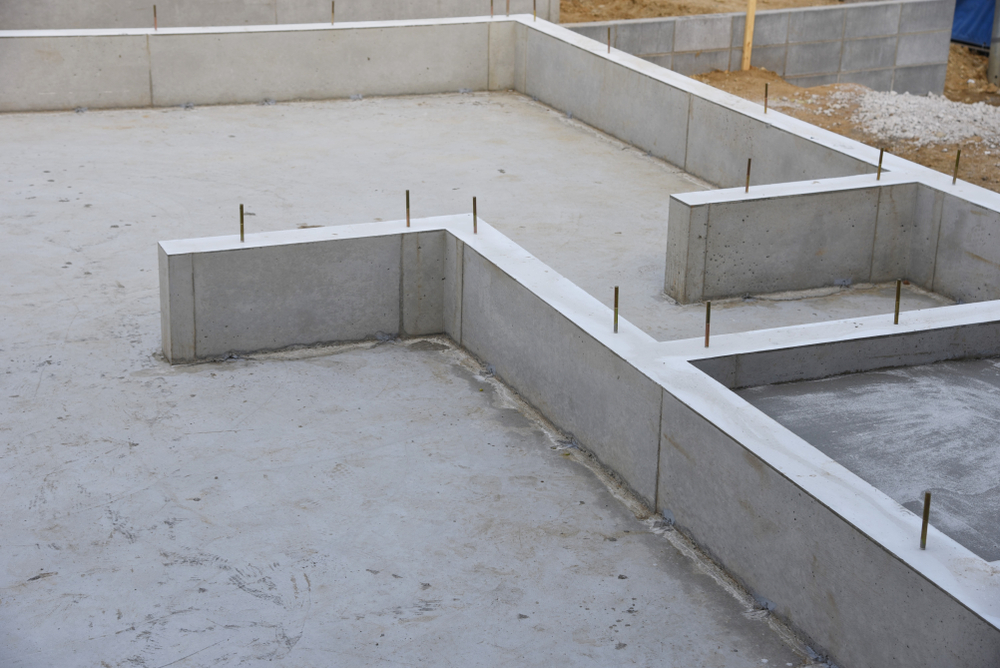
A slab foundation is one of the most widely used foundation types across the United States, and Oklahoma is no exception. A slab foundation is essentially a single layer of concrete poured directly onto the ground, typically ranging from four to six inches thick, with thicker sections beneath load-bearing walls.
The appeal of a slab foundation in Oklahoma is easy to understand. It is generally less expensive to install than other foundation types, it requires less labor and fewer materials, and it eliminates the crawl space or basement that pests and moisture can invade. For builders and homeowners working within a budget, slab foundations offer a straightforward, cost-effective solution.
However, slab foundations come with notable challenges in Oklahoma. The state’s expansive clay soils are a serious concern. When the clay absorbs water, it expands and pushes upward against the slab. When it dries out during drought conditions, it contracts and pulls away, leaving portions of the slab unsupported. This repeated movement can cause cracking, uneven floors, and significant structural damage over time.
Proper site preparation is essential for a successful slab foundation in Oklahoma. This includes soil testing, moisture barriers, adequate drainage planning, and in some cases, soil stabilization treatments. When installed correctly and maintained well, a slab foundation can perform reliably for decades. When shortcuts are taken, the results can be expensive and frustrating.
Crawl Space vs Slab Foundation: Weighing Your Options
The debate between crawl space and slab foundation is one of the most common conversations in Oklahoma home construction. Each option has its own strengths and weaknesses, and the right choice often depends on your specific lot, soil conditions, budget, and personal preferences.
A crawl space foundation raises the home several feet off the ground, creating an accessible area beneath the structure. This design offers several practical advantages. It provides easy access to plumbing, electrical systems, and HVAC components without tearing up flooring or walls. It also elevates the home, which can reduce flood risk on certain lots. In Oklahoma, where shifting soils can affect plumbing lines, having accessible infrastructure underneath your home is a genuine benefit.
On the other hand, crawl spaces introduce their own complications. They must be properly ventilated or encapsulated to prevent moisture buildup, which can lead to mold, wood rot, and pest infestations. In Oklahoma’s humid summers, a poorly managed crawl space can become a source of serious indoor air quality problems. Encapsulating a crawl space with vapor barriers and insulation adds cost but dramatically improves performance and longevity.
Compared to a slab, a crawl space foundation typically costs more upfront. However, the long-term savings on repairs and maintenance can offset that initial investment. When evaluating crawl space vs slab foundation options, homeowners should think beyond the upfront cost and consider the full lifecycle of the home, including energy efficiency, repair accessibility, and soil conditions specific to their building site.
For Oklahoma homeowners in areas prone to expansive clay movement, a crawl space foundation can offer a slight advantage because it is often easier to make adjustments to piers and supports beneath a crawl space than to repair a cracked slab. That said, both foundation types require careful engineering and skilled installation to perform at their best.
Basement Foundation in Oklahoma: Opportunity and Challenge
When people think of basements in Oklahoma, they often think of storm shelters, and for good reason. Oklahoma experiences some of the most severe tornado activity in the world, and a basement provides a degree of natural protection that other foundation types cannot match. A basement foundation in Oklahoma construction is both a structural choice and, for many families, a safety decision.
A basement extends the living or storage space of a home significantly. It can be finished as additional living quarters, used as a utility room, or left unfinished for storage. In areas where above-ground square footage is expensive, a basement represents real value per dollar spent on construction.
That said, building a basement in Oklahoma is not without its complications. The same expansive clay soils that challenge slab foundations create hydrostatic pressure against basement walls. When water accumulates in the soil and cannot drain properly, it pushes against the foundation walls, potentially causing bowing, cracking, and water intrusion. Waterproofing a basement in Oklahoma requires thoughtful engineering, quality materials, and ongoing maintenance.
Regional geology also plays a role. In some parts of Oklahoma, the soil and bedrock conditions make basement excavation straightforward. In others, the process is more complex and costly. Contractors with experience in local soil conditions are invaluable when planning a basement foundation in Oklahoma.
Despite the challenges, many Oklahoma homeowners consider the basement an essential part of their home, particularly for tornado safety. When properly waterproofed and engineered, a basement can provide decades of reliable service while adding meaningful living space and peace of mind during storm season.
Choosing the Right Foundation Type for Your Oklahoma Home
Selecting from the available foundation types for homes in Oklahoma requires input from qualified professionals who understand local soil, climate, and building codes. No single foundation type is universally superior. The best choice depends on a careful evaluation of your specific property and goals.
Start with a soil test. Understanding what lies beneath your building site is fundamental to foundation planning. A geotechnical engineer can analyze soil composition, moisture content, and load-bearing capacity to guide your decision.
Work with a licensed contractor who has verifiable experience building foundations in Oklahoma. Local expertise matters enormously here. A contractor familiar with Oklahoma’s clay soils, drainage patterns, and seasonal weather swings will make better decisions during installation than one relying solely on general construction knowledge.
Consider your long-term plans for the home. If you anticipate needing accessible infrastructure for an aging parent or plan to add a finished lower level, a basement or crawl space may be worth the additional investment. If you are building a smaller home on a tight budget with stable soil conditions, a well-engineered slab may be entirely sufficient.
Do not overlook drainage planning. Regardless of which foundation type you choose, proper grading around the home and effective drainage systems are critical in Oklahoma’s climate. Water management is often the difference between a foundation that lasts a lifetime and one that requires expensive intervention within a few years.
Also consult with your local municipality about applicable building codes and permit requirements. Oklahoma counties and cities may have specific requirements related to foundation depth, reinforcement, and inspection.
Conclusion
Foundation selection in Oklahoma is a decision that deserves serious attention. The state’s challenging soils, dramatic climate, and severe weather make it essential to match your foundation type to your specific site conditions and construction goals. Whether you are weighing a slab foundation in Oklahoma, comparing crawl space vs slab foundation options, or exploring a basement foundation for storm safety, the key is informed planning with qualified local professionals. A well-chosen, properly built foundation is the most important investment you can make in the long-term performance and safety of your home.
Need a Home Designer in Oklahoma City, OK?
Welcome to Perry House Plans! Since 1959, we have serviced this great area with affordable, high-quality housing and rebuilds. When it comes to construction in general, we at Perry House Plans can do it all! From inception to installation, our team of professional designers will see to it that the vision of your dream house becomes a reality. We specialize in custom homes and remodels for commercial and residential properties. We believe in providing dream-come-true housing at wholesale prices. You can rest assured that you will always receive a product you love and your bank account will too. Give us a call for your complimentary consultation!
Categorised in: Home Design