
Oklahoma City is experiencing a surge in diverse and innovative house plans that cater to a range of lifestyles and preferences. As the city grows and evolves, so do the architectural styles and design preferences of its residents. In this blog, we’ll explore the top house plan trends in Oklahoma City and how they reflect the evolving tastes and needs of homeowners. Modern Farmhouse Revival The modern farmhouse style has been making a significant comeback in Oklahoma City. This trend combines the charm of traditional farmhouse architecture with sleek, contemporary elements. Homeowners are drawn to the clean lines, open spaces,... View Article
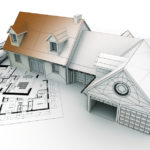
When it comes to designing a home that stands the test of time, traditional house plans offer a unique blend of charm, functionality, and practicality. For families looking to create a comfortable and enduring living space, traditional house plans present a wealth of benefits. This article will explore the various advantages of traditional house plans for families, shedding light on why they remain a popular choice for homeowners. Timeless Appeal Classic Design Elements One of the most notable benefits of traditional house plans is their timeless appeal. Unlike contemporary designs that may quickly become outdated, traditional house plans feature classic... View Article

Craftsman-style homes have a timeless appeal that blends traditional craftsmanship with modern conveniences. These houses are characterized by their distinctive architecture, featuring low-pitched roofs, exposed rafters, and deep overhanging eaves. Inside, Craftsman homes often boast open floor plans, cozy fireplaces, and built-in cabinetry, reflecting a commitment to simplicity and functionality. If you’re considering building or remodeling a Craftsman home, here are ten outstanding house plans that embrace the spirit of modern living while honoring the classic Craftsman aesthetic: 1. The Oakley The Oakley combines classic Craftsman charm with contemporary design elements. Featuring a spacious open floor plan, this home plan... View Article

Craftsman house plans stand as a testament to the enduring popularity of a style that originated in the early 20th century. These homes are beloved for their warmth, charm, and thoughtful design, making them a favorite among homeowners seeking both practicality and aesthetic appeal. In this blog, we delve into the key architectural features that define Craftsman house plans, exploring what makes them unique and timeless. Origins and Influences Craftsman architecture emerged in the United States around the turn of the 20th century, largely as a response to the mass-produced, ornate styles of the Victorian era. It was a part... View Article

Floor plans are crucial elements of any building or construction project, as they provide a visual representation of the layout, design, and functionality of a space. While standard floor plans serve as a good starting point, many homeowners and businesses choose to customize and modify their floor plans to better suit their specific needs and preferences. In this blog post, we will explore the benefits of floor plan modification services and why they are essential for creating a space that meets your unique requirements. Benefits of Floor Plan Modifications 1. Improved Functionality: One of the primary benefits of modifying a... View Article
